
Osteosarcoma Treatment for Dogs
We’ll guide you through each step along this challenging path
Osteosarcoma is the most frequently diagnosed form of bone cancer in dogs. It’s a serious and painful condition, but with early diagnosis and a well-considered treatment plan, many dogs can continue to enjoy a good quality of life for a meaningful period of time.
Osteosarcoma (OSA) is a highly aggressive cancer that most commonly affects the long bones of the limbs—particularly in large and giant breed dogs such as Greyhounds, Rottweilers, and Labrador Retrievers—but it can also develop in other bones, including the jaw, ribs, spine, or pelvis.
One of the challenges with osteosarcoma is that it often spreads (metastasizes), especially to the lungs. For this reason, timely diagnosis and treatment are essential to improving outcomes.
Receiving a cancer diagnosis for your dog can feel overwhelming. Whether you’re considering surgery and chemotherapy or focusing on keeping your dog comfortable through palliative care, know that you’re not alone. We’re here to support you through every decision—whatever path feels right for you and your pet.
Osteosarcoma Diagnosis
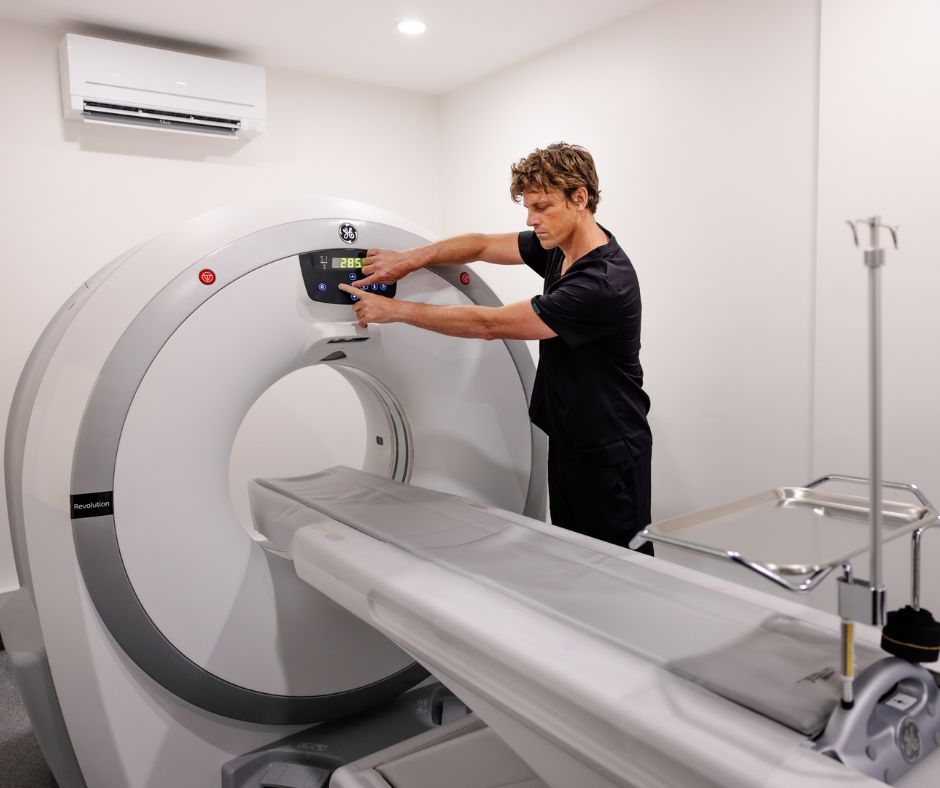
- CT of chest and abomen for staging
- Blood Test & Urinalysis for overall health check
- Indivdual Treatment Report from Veterinary Oncology Consultant
Limb Amputation
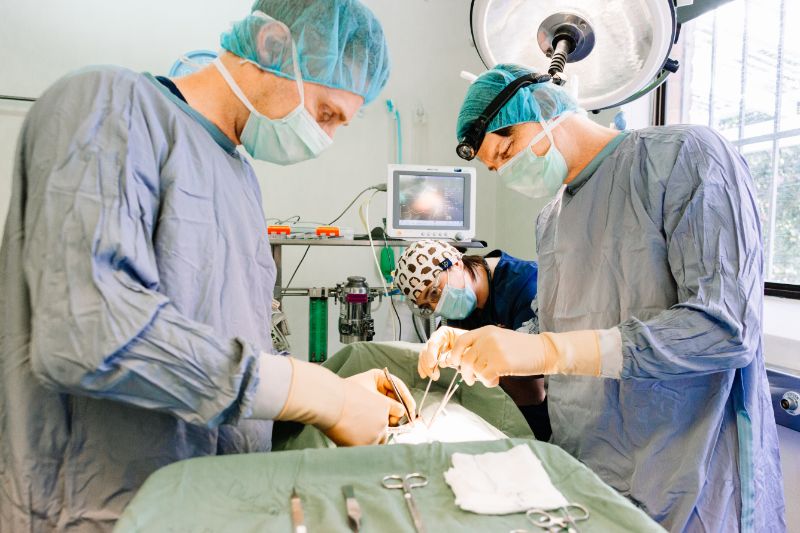
- Amputation of the effected leg
- 24 hour hospital stay following amputation
- All pain relief and post operative checks
Chemotherapy
- 17 week chemotherapy course
- Regular blood tests throughout treatment
- Anti-nausea and antibiotic medication
- *This is an indicative cost based on the average patient
Early Diagnosis of Osteosarcomas

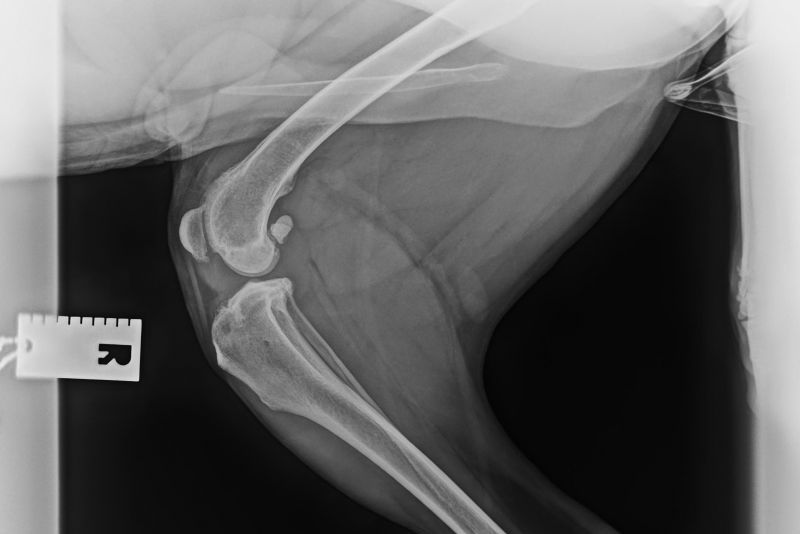
We’ll begin with a physical exam and X-rays of the affected area. On X-rays, osteosarcoma typically causes a characteristic “sunburst” pattern in the bone.
To confirm the diagnosis, additional tests may be recommended, including a biopsy or fine-needle aspiration of the bone, chest X-rays or a CT scan to check for metastasis and bloodwork and urinalysis to assess your dog’s overall health.

Surgery and Chemotherapy
Treatment for osteosarcoma aims to relieve pain, slow the progression of the disease, and extend your dog’s quality of life. The most effective approach usually combines surgery and chemotherapy. For many dogs, removing the affected limb is the best option to control pain and eliminate the primary tumor. Chemotherapy can help slow the spread of cancer and is usually recommended following surgery.
Ongoing Care and Monitoring
Facing cancer is never easy. We’re here to guide you through every step before and after your treatment decision —whether you choose aggressive treatment or focus on keeping your dog comfortable. Your bond with your pet is what matters most, and there is no one “right” decision—only what is best for you and your dog.