Osteosarcoma Treatment for Dogs

We’ll guide you through each step along this challenging path

Osteosarcoma is the most frequently diagnosed form of bone cancer in dogs. It’s a serious and painful condition, but with early diagnosis and a well-considered treatment plan, many dogs can continue to enjoy a good quality of life for a meaningful period of time.

Osteosarcoma (OSA) is a highly aggressive cancer that most commonly affects the long bones of the limbs—particularly in large and giant breed dogs such as Greyhounds, Rottweilers, and Labrador Retrievers—but it can also develop in other bones, including the jaw, ribs, spine, or pelvis.

One of the challenges with osteosarcoma is that it often spreads (metastasizes), especially to the lungs. For this reason, timely diagnosis and treatment are essential to improving outcomes.

Receiving a cancer diagnosis for your dog can feel overwhelming. Whether you’re considering surgery and chemotherapy or focusing on keeping your dog comfortable through palliative care, know that you’re not alone. We’re here to support you through every decision—whatever path feels right for you and your pet.

Osteosarcoma Diagnosis

$3870including
  • CT of chest and abomen for staging
  • Blood Test & Urinalysis for overall health check
  • Indivdual Treatment Report from Veterinary Oncology Consultant

Limb Amputation

$5420including
  • Amputation of the effected leg
  • 24 hour hospital stay following amputation
  • All pain relief and post operative checks

Chemotherapy

$7800*includes
  • 17 week chemotherapy course
  • Regular blood tests throughout treatment
  • Anti-nausea and antibiotic medication
  • *This is an indicative cost based on the average patient

Early Diagnosis of Osteosarcomas

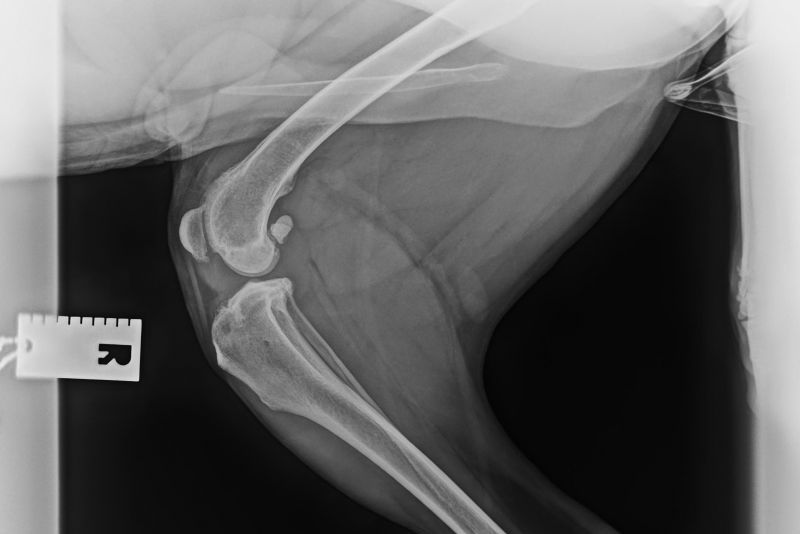
We’ll begin with a physical exam and X-rays of the affected area. On X-rays, osteosarcoma typically causes a characteristic “sunburst” pattern in the bone.

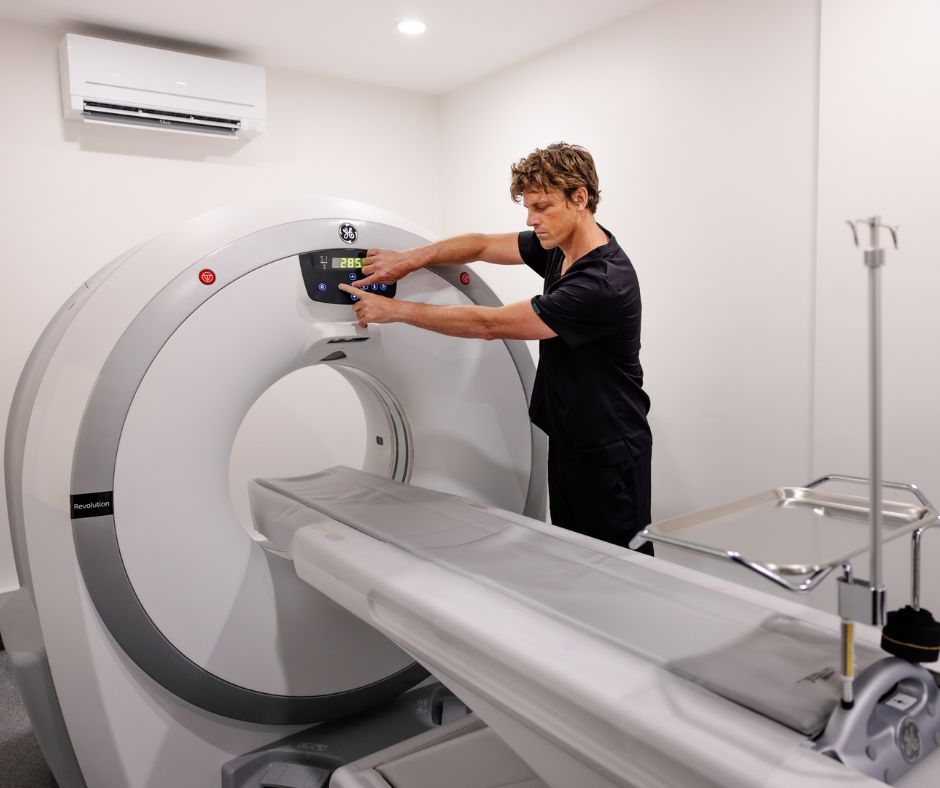
To confirm the diagnosis, additional tests may be recommended, including a biopsy or fine-needle aspiration of the bone, chest X-rays or a CT scan to check for metastasis and bloodwork and urinalysis to assess your dog’s overall health.

The most common sign is lameness or limping that doesn’t go away and seems to worsen over time. You may also notice:

  • Swelling in the affected area

  • Pain or tenderness

  • Reluctance to walk, jump, or play

  • A noticeable mass or bony swelling

  • Sudden fracture (in cases where the tumor weakens the bone)

If you notice any of these signs, please call our vets on 02 8552 7800 as soon as possible. Early intervention can make a meaningful difference.

Once we have taken x-rays of your dog’s legs and have discussed with you our suspicion of an osteosarcoma, we will organise a day for further confirmation and staging. This will possibly involve a CT, possible biopsy and blood tests and we will have final results and a treatment plan confirmed within 7 days.

Surgery and Chemotherapy

Treatment for osteosarcoma aims to relieve pain, slow the progression of the disease, and extend your dog’s quality of life. The most effective approach usually combines surgery and chemotherapy. For many dogs, removing the affected limb is the best option to control pain and eliminate the primary tumor. Chemotherapy can help slow the spread of cancer and is usually recommended following surgery.

We use the most effective chemotherapy protocol available for treating our patients with osteosarcomas. Whilst we ensure patient has their own specific protocol tailored to them, a typical treatment plan will involved 6 or 7 chemotherapy day sessions spread over a period of 4 months.

We monitor our patient’s response to chemotherapy closely by regularly checking their red and white blood cell counts, as well as their kidney markers. We also perform repeat imaging (ultrasounds and x-rays of the chest and abdomen) half way through the treatments to monitor progress and ensure there is no evidence of metastases before proceeding further.

During the treatment periods we help support our patients by supplying anti-nausea medication and antibiotics where indicated.

We monitor our patients closely for side effects from chemotherapy and our patients cope extremely well throughout the process.

We preemptively use anti-nausea medication on the day of chemotherapy and supply further medication to use for the few days following treatment. Additionally, if we notice that your dog’s white blood cells or kidney markers are heavily effected by the chemotherapy then we reduce the doses to a level they can tolerate more easily.

In the event your dog experiences vomiting, diarrhoea, inappetance or lethargy then we will work closely with you to help treat these symptoms with supportive care.

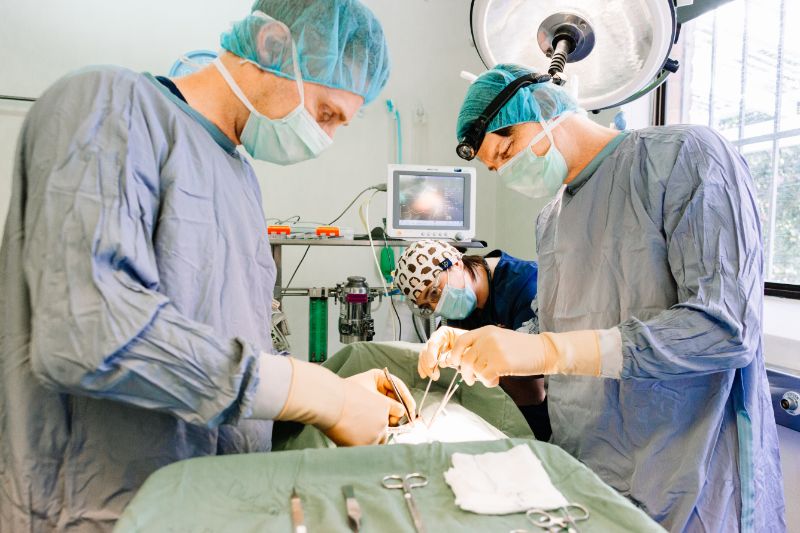
Limb amputation is the first step in treating osteosarcoma. While the decision to remove a limb can be emotionally difficult, most dogs adapt remarkably well to life on three legs. Amputation removes the source of pain and helps prevent the tumor from weakening the bone further, which can lead to fractures.

Rest and pain relief are the mainstay of recovery following limb amputation. The first 10-14 days include strict cage rest, where the only time your pet comes out of the pen is to go to the toilet (always on lead so they can’t make sudden running movements). We also ask you to ice the surgical site for the first few days post-operatively and then once the swelling has reduced you can then begin short walks.

Recovery from surgery is typically faster than many owners expect. Most dogs begin walking within a day or two and continue to gain strength and confidence over the following weeks. Dogs generally return to a good quality of life, enjoying walks, play, and affection much like before. Our team will guide you through each step of the process and provide support to ensure the best outcome for your pet.

Ongoing Care and Monitoring

Facing cancer is never easy. We’re here to guide you through every step before and after your treatment decision —whether you choose aggressive treatment or focus on keeping your dog comfortable. Your bond with your pet is what matters most, and there is no one “right” decision—only what is best for you and your dog.
With surgery and chemotherapy to treat osteosarcomas, the average survival time is around 10–12 months, though some dogs live much longer—especially with early treatment. Without treatment, survival is typically limited to a few months, as the disease progresses and pain becomes harder to manage.

While osteosarcoma is a challenging diagnosis, many dogs continue to enjoy happy, meaningful time with their families during and after treatment.

If surgery or chemotherapy isn’t an option to treat osteosarcoma in your dog, then the focus is on palliative care and pain relief. Devastatingly, we can often only keep patients comfortable for a matter of 4-8 weeks after diagnosis. As such, we will work closely with you on developing a combination of anti-inflammatories and opioid pain relief to maximise comfort for your pet.

Once your dog has had surgery and completed a chemotherapy course, we recommend check-ups with our vets every 3 months. If you have any concerns in between this time then we always encourage you to visit us.